Press Freedom in the Crosshairs: The Growing Threat of Litigation to Silence Journalism
Last month’s decision by the Pretoria High Court to strike the University of South Africa (UNISA)’s case from the urgent court roll was a victory for press freedom, but also highlighted the growing use of litigation to silence critical journalism.
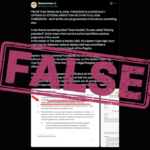
In its application, instituted on Wednesday, 12 August 2026, Unisa applied to the court for a take-down order against certain reportage published on the EdNews.Africa website. It also sought an order restraining the publication and its editor from reporting on certain matters concerning an alleged “ongoing governance crisis” at the University.
The reporting by EdNews.Africa’s Edwin Naidu covered governance issues, staff deaths, hospitalisations and burnout, academic standards, and institutional management at the University.
Unisa’s attempt to prevent the reporting was struck from the roll on some of the following grounds:
- A lack of urgency, as the articles had been online for more than three weeks and had also been covered by other publications.
- There was a reasonable belief that the application had been brought for an ulterior purpose.
- The reporting was in the public interest or constituted reasonable publication.
As strategic litigation targeting public interest journalism, often known as SLAPPs, becomes more common in South Africa, judgements such as this, that prevent lengthy litigation, are vital to upholding press freedom.
The ruling also follows another positive step towards protecting freedom of expression across the African continent: the adoption of a Resolution on the Need to Conduct a Study on Strategic Litigation Against Public Participation by the African Commission on Human and Peoples’ Rights.
CINIA participated in drafting the resolution, which called for African states to investigate the use of SLAPPs and develop frameworks to protect public watchdogs from abusive litigation.
It also tasked the Special Rapporteur on Freedom of Expression and Access to Information in Africa and the Special Rapporteur on Human Rights Defenders in Africa with conducting a study on the nature and scope of SLAPPs in Africa, marking an important step towards strengthening protections for journalists and upholding press freedom.
Further Reading
- Nkanyiso Ngqulunga from the Campaign for Free Expression unpacks the efforts by Unisa to “gag” EdNews.Africa in an article for Daily Maverick, titled Courts are clear — Unisa bid to gag journalist had to fail.
- The Thomson Reuters Foundation recently released a report, Weaponising the law: Threats to media freedom in South Africa, on the legal threats eroding South Africa’s hard-won freedoms, and how to address them.
- SLAPPs pose a threat to Africa’s climate and environmental journalists according to a report, SLAPPs against environmental and climate journalists in Africa: A perfect storm for harassment, from the International Press Institute, focusing on seven countries in West, Central, and East Africa.