Countering Hate Speech Starts With Everyday Choices
By Daniel Roodt
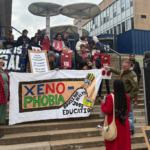
Yesterday, 18 June, marked the International Day for Countering Hate Speech. It arrived at a time when South Africa continues to grapple with recurring waves of xenophobic rhetoric, both online and offline.
Recent scenes of immigrants across the country seeking assistance at their respective embassies and consulates have once again highlighted how migration can become a flashpoint for fear, frustration and scapegoating. At the same time, concerns are growing about how digital platforms can amplify anti-foreigner narratives, rewarding outrage and division with attention and engagement.
Hate speech does not begin with physical violence. It often starts with repeated stereotypes, conspiracy theories and language that portrays entire groups as threats, burdens or less deserving of dignity. UNESCO notes that media and information literacy is one of the strongest defences because it equips people to recognise manipulation and think critically before reacting.
Practical ways to identify and counter hate speech:
- Watch for generalisations: Be wary of statements that blame an entire nationality, ethnicity or group for the actions of individuals.
- Pause before sharing: Ask who created the content, what evidence supports it, and whether it is designed to provoke anger or fear.
- Check the facts: Verify claims using credible news sources and fact-checking organisations before amplifying them.
- Report harmful content: Use platform reporting tools when content crosses into incitement or targeted abuse.
- Support those targeted: Public solidarity can disrupt the isolation and fear hate speech seeks to create.
Information integrity starts with everyday choices. The words shared, challenged or ignored help shape the kind of society being built.
Further Reading
- Nicole Fritz from the Campaign for Free Expression and Kavisha Pillay from the Campaign on Digital Ethics ask whether social media monetisation systems are rewarding accounts that traffic in xenophobic hate speech and disinformation. Read the article on Daily Maverick, HERE.
- “Anti-migrant campaigns invoke the notion of active citizenship and reinterprets it to espouse a politics of hatred of the black foreigner,” write Luke Sinwell, Terri Maggott and Trevor Ngwane from the University of Johannesburg. Read their piece for The Conversation, titled ‘South Africa’s anti‑migrant campaigns use the language of democracy: why that’s dangerous’, HERE.
- Kopanang Africa Against Xenophobia argue that the greatest threat facing SA is not migration, but rather a willingness to blame migrants for problems created by the state. Read their op-ed for Daily Maverick titled ‘Ramaphosa’s migration contradiction: Acknowledging xenophobia while feeding the myth’, HERE.